
How to Teach Discipline Without Yelling: Montessori Parenting That Actually Works
Every parent reaches moments of frustration.
The spilled milk. The ignored instruction. The sibling conflict. The bedtime battle.
When stress rises, many parents wonder:
How do I correct behavior without yelling?
How do I teach respect without threats?
How do I build self-discipline instead of constant dependence on punishment?
In this powerful episode of Montessori Mindset, we explore a better way: how to teach discipline through calm leadership, consistency, and respect—the Montessori approach.
What Discipline Really Means
Discipline is often misunderstood as punishment or control.
But true discipline means helping a child develop:
Self-control
Responsibility
Emotional regulation
Respect for others
Inner motivation to do what is right
That kind of discipline lasts far beyond childhood.
Why Yelling Usually Backfires
Yelling may stop behavior in the moment, but it often creates:
Fear instead of understanding
Power struggles
Emotional distance
Dependence on external pressure
Children may comply temporarily, but they do not always learn the deeper lesson.
What You’ll Learn in This Video
1. Stay Calm So They Can Stay Calm
Children borrow emotional regulation from adults. When parents remain steady, children are more likely to recover and listen.
2. Use Clear Limits and Follow Through
Kindness does not mean permissiveness. Montessori discipline includes clear boundaries, predictable expectations, and consistent consequences.
3. Teach Skills, Not Just Correct Mistakes
Sometimes “bad behavior” is really:
fatigue
hunger
lack of routine
undeveloped impulse control
needing help expressing feelings
The goal is to coach the child forward.
4. Build Independence
Many behavior issues shrink when children are given meaningful responsibility, practical tasks, and age-appropriate autonomy.
5. Protect the Relationship
Correction works best when a child knows they are secure, respected, and loved.
Why Montessori Families Value This Approach
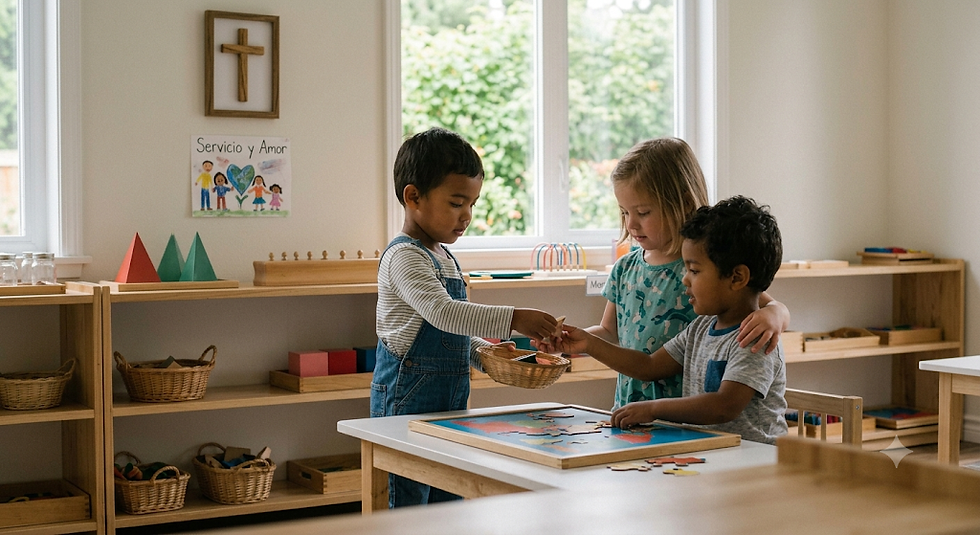
Montessori environments are built around order, responsibility, grace and courtesy, and purposeful independence. These same principles make home life calmer and more cooperative.
Instead of constantly reacting, parents can proactively shape an environment where children succeed.
Who Should Watch
This video is especially valuable for:
Parents of toddlers and young children
Families tired of repeating themselves
Educators managing behavior respectfully
Parents seeking calmer homes
Anyone interested in Montessori parenting
Final Thought
You do not need to choose between being kind and being effective.
Strong parenting can be calm. Boundaries can be loving. Discipline can teach rather than punish.
If you want practical tools for raising respectful, capable children without yelling, this episode is worth your time.
Watch How to Teach Discipline Without Yelling now.

Comments